May 18, 2026
Your HVAC system plays an important role in keeping your home cool, comfortable and safe during warm weather. When it stops cooling properly, the problem may come from simple maintenance issues or more serious mechanical concerns.
Understanding the most common causes can help you respond quickly before the issue becomes more expensive. From clogged filters to thermostat errors and refrigerant problems, knowing what to look for can make it easier to protect your comfort and your equipment.
1. Dirty Air Filters
Dirty air filters are one of the most common reasons an HVAC system struggles to cool a home. Filters are designed to trap dust, pollen, pet dander and other airborne particles before they circulate through your rooms. When the filter becomes clogged, air cannot move through the system as easily. This restricted airflow reduces cooling performance and can make the system run longer than necessary.
A clogged filter can also place extra strain on internal components. The blower motor may work harder to move air, energy use may increase and indoor comfort may decline. In some cases, rooms may feel warmer than expected even when the thermostat is set correctly.
Homeowners should check filters regularly, especially during summer when the system runs more often. Most standard filters should be replaced about every 90 days, but homes with pets, heavy dust or allergy concerns may need more frequent replacement.
2. Signs of Filter Problems
Several warning signs may point to a dirty filter. You may notice weak airflow from vents, more dust on surfaces, uneven temperatures between rooms or higher utility bills. Unpleasant odors from vents can also occur when debris and particles collect inside the filter.
If the system runs continuously but does not cool the home effectively, the filter should be one of the first things checked. Replacing it is a simple maintenance step that can quickly improve airflow and efficiency. Clean filters also support healthier indoor air by helping reduce airborne irritants.
3. Incorrect Thermostat Settings
Thermostat settings can have a major effect on cooling performance. If the thermostat is set too high, placed in the wrong mode or programmed incorrectly, the system may not cool as expected. Many cooling issues begin with simple setting errors rather than equipment failure.
Homeowners should confirm that the thermostat is set to cool, the fan is set appropriately and the desired temperature is reasonable. Setting the temperature extremely low will not cool the house faster. Instead, it may cause the HVAC system to run longer and use more energy.
Thermostat placement also matters. If it is located near direct sunlight, windows, appliances or drafts, it may read the room temperature inaccurately. A poor reading can cause short cycling, uneven cooling or unnecessary operation.
4. Thermostat Calibration and Upgrades
Over time, thermostats can lose accuracy. When the displayed temperature does not match the actual room temperature, the system may turn on or off at the wrong times. Comparing the thermostat reading with a separate indoor thermometer can help identify calibration issues.
Programmable or smart thermostats can improve comfort and energy management. These devices allow homeowners to create cooling schedules based on daily routines. Smart models may also offer remote access, learning features and energy reports.
Upgrading the thermostat can be especially helpful for families with changing schedules. With proper programming, the system can reduce cooling when the home is empty and restore comfort before people return.
5. Refrigerant Leaks
Refrigerant is essential to the cooling process because it absorbs heat from indoor air and releases it outside. If refrigerant levels are low, the system cannot complete this heat transfer effectively. As a result, the home may feel warm even though the equipment continues running.
Refrigerant does not normally disappear on its own. Low levels usually mean there is a leak somewhere in the lines, coils or connections. Warning signs may include ice on the evaporator coil, hissing sounds, longer cooling cycles or rising energy bills.
Refrigerant issues should always be handled by a trained professional. A technician can locate the leak, repair it properly and recharge the system to the correct level. Simply adding refrigerant without fixing the leak will not solve the underlying problem.
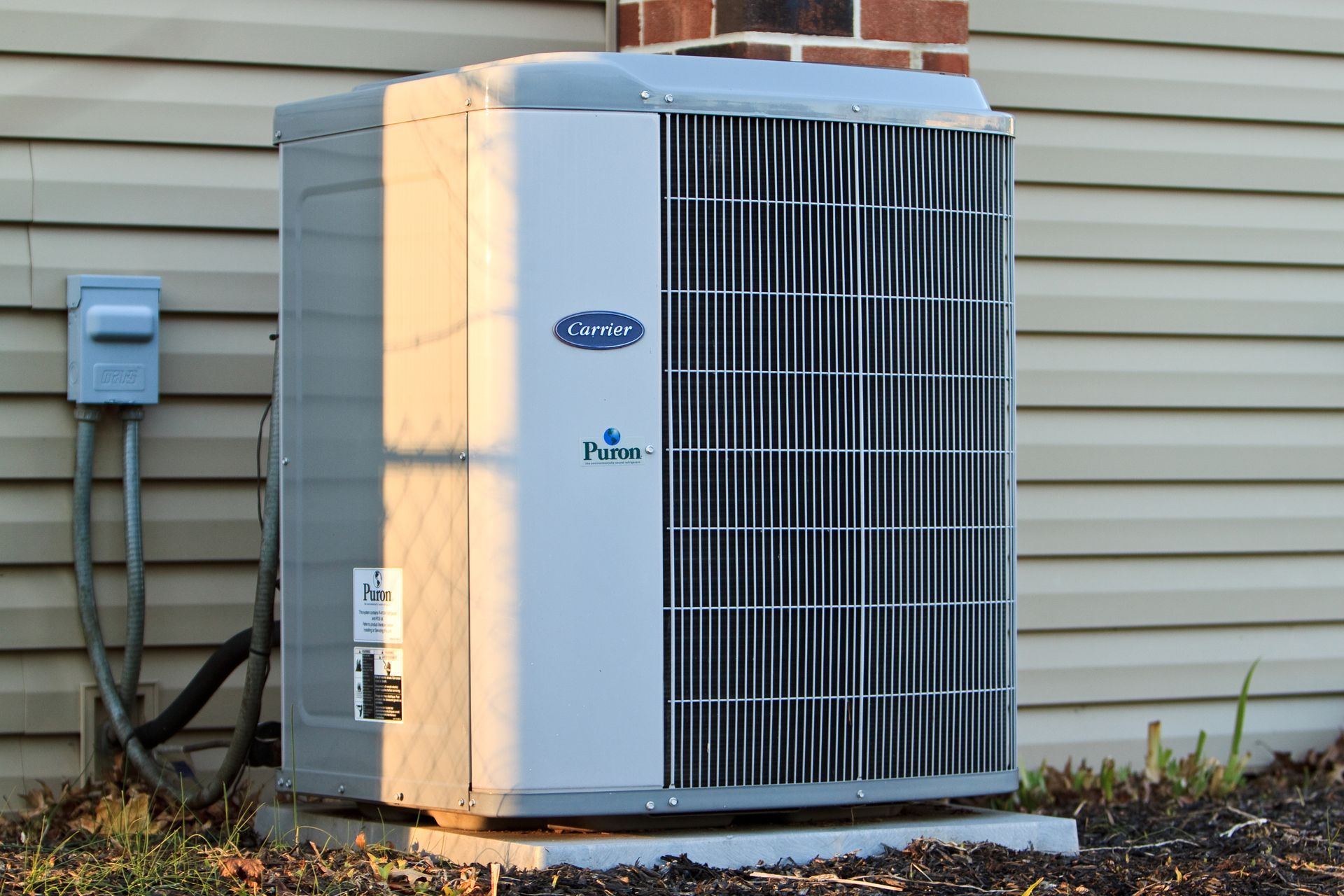
6. Blocked Outdoor Unit
The outdoor unit needs enough open space to release heat from the home. When leaves, grass, dirt or debris build up around the unit, airflow becomes restricted. This can reduce cooling power and cause the system to work harder than it should.
Homeowners should keep the area around the outdoor unit clear. Trim nearby plants, remove debris and avoid storing items too close to the equipment. A clear space around the unit supports better airflow and more dependable cooling.
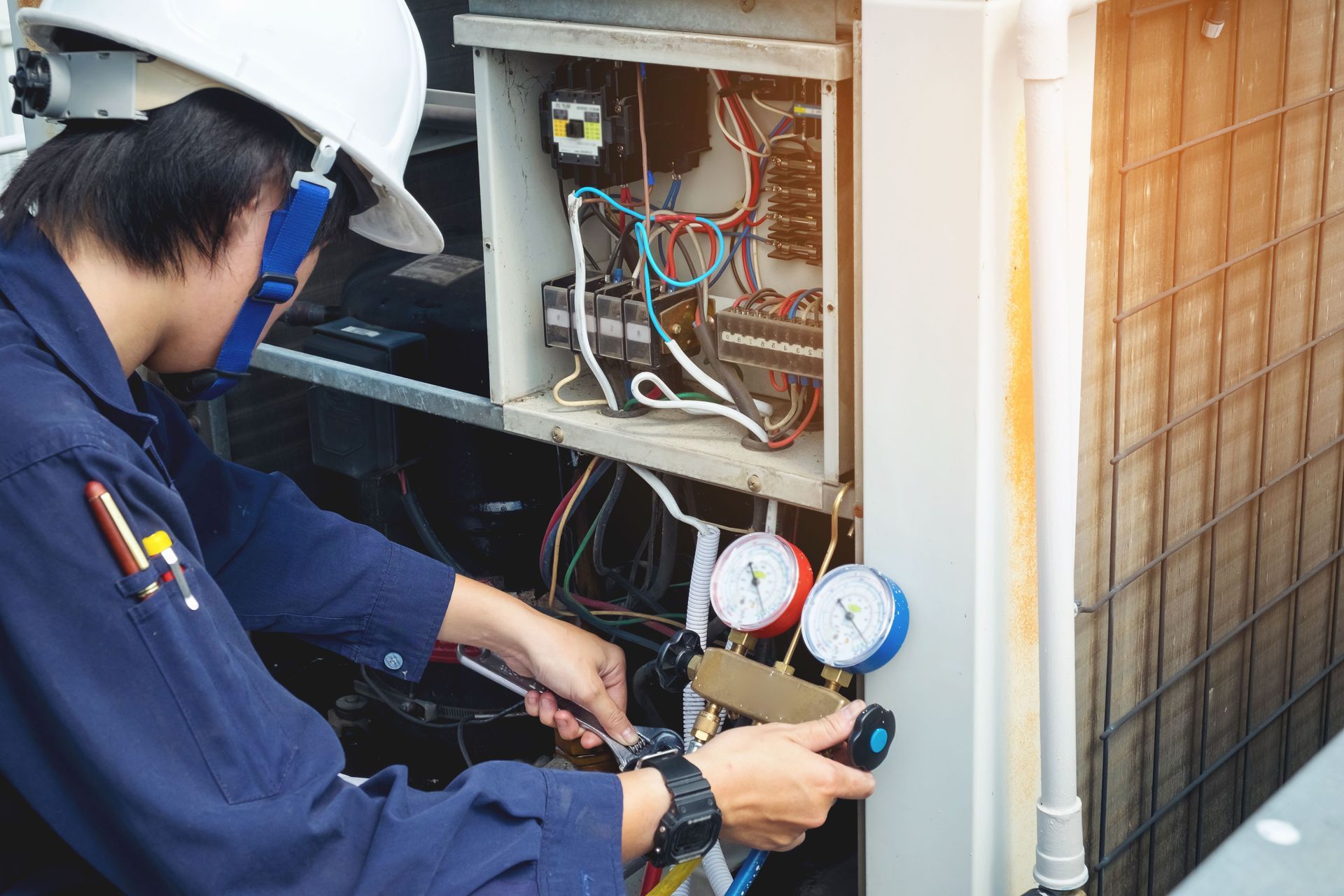
Routine professional maintenance can also help keep coils clean and components working correctly. During a service visit, a technician can inspect electrical connections, check refrigerant levels and identify worn parts before they lead to a breakdown.
7. Long-Term Maintenance Value
Consistent care is one of the best ways to prevent cooling problems. Replacing filters, checking thermostat settings and keeping outdoor equipment clean can reduce stress on the system. These small tasks support better performance and may help lower monthly energy costs.
Professional inspections are also important because some issues are not easy to see. Electrical problems, refrigerant leaks, worn motors and dirty coils may require specialized tools and experience. Addressing these concerns early can help extend the life of your HVAC system.
According to The Farnsworth Group, the HVAC and plumbing industries reached a value of $121.5 billion in 2024, showing how important these systems are for homes and buildings. Regular maintenance helps homeowners protect that investment while preserving comfort throughout the year.
8. A Cooler and More Reliable Home
When your cooling system does not perform properly, the cause may be as simple as a dirty filter or as serious as a refrigerant leak. Paying attention to early warning signs can help you act before the problem becomes more disruptive.
9. Frozen Evaporator Coils
Frozen evaporator coils are another common reason cooling performance may decline. When airflow becomes restricted or refrigerant levels are low, moisture on the coils can freeze and create a layer of ice. This ice prevents the system from absorbing heat properly, making it difficult to cool the home efficiently. Homeowners may notice warm air coming from vents even though the system appears to be running normally.
Several warning signs can point to frozen coils, including visible frost on indoor components, excess condensation near the unit or unusual noises during operation. Turning the system off and allowing the coils to thaw may temporarily restore airflow, but the root cause still needs attention. Continuing to operate the system while coils remain frozen can place additional stress on important components and increase the risk of further damage.
10. Electrical and Mechanical Wear
Electrical and mechanical problems can also reduce cooling efficiency over time. Capacitors, contactors, fan motors and other components naturally wear down as the system ages. When these parts begin to fail, the HVAC system may struggle to start, run inconsistently or cool the home evenly. Some homeowners may notice clicking sounds, short cycling or sudden shutdowns during operation.
Routine inspections can help identify worn parts before they completely fail. Technicians can test electrical connections, measure system performance and replace aging components when necessary. Preventive service helps improve reliability and reduces the chance of unexpected breakdowns during periods of heavy summer use. Keeping these systems in good condition supports more consistent comfort and helps homeowners avoid costly emergency repairs.
By combining routine homeowner care with professional service, you can keep your HVAC equipment running more efficiently. A well-maintained system provides steadier temperatures, better airflow and greater peace of mind during the hottest months of the year. Contact our team at Harding Plumbing, Heating & Cooling today and learn more about our services.