May 5, 2026
Understanding common air conditioning problems is essential for maintaining a comfortable home environment and recognizing when local AC repair may be needed. This guide aims to equip you with the knowledge to diagnose and understand typical AC issues so you can communicate effectively with a professional. Knowing these signs early can help prevent small issues from developing into larger system failures over time. It also helps homeowners make more informed decisions about system care and timing for service.
Common AC Issue Identification
Detecting Unusual Noises
Air conditioning units usually produce some operational sound, but certain noises can indicate the need for attention. Rattling or banging often suggests loose internal components, while grinding noises may point to motor bearing issues that require prompt repair. High-pitched squealing can sometimes indicate belt-related wear that may worsen if not addressed. These sounds are often early warnings that something inside the system is not functioning as intended.
When unusual sounds become persistent, it is often a sign that the system requires inspection through local AC repair. Normal humming can still occur during standard operation, but changes in pitch or volume should not be ignored because they often indicate mechanical stress. Identifying these changes early helps ensure the system continues running efficiently and reduces the risk of more extensive damage. In many cases, addressing noise issues early can prevent more costly component failures.
Diagnosing Inadequate Cooling
Overall, inadequate cooling is one of the most common concerns homeowners experience and often signals underlying system inefficiencies. A clogged air filter, low refrigerant levels, or thermostat issues can all contribute to reduced performance. In many cases, addressing these problems promptly through local AC repair can restore proper cooling function and improve overall comfort throughout the home.
Uneven cooling throughout the home may also point to ductwork restrictions or airflow imbalances. Blocked vents or poorly maintained duct systems can prevent conditioned air from reaching all areas of the home effectively, which creates noticeable hot and cold spots. Ensuring proper airflow supports consistent indoor comfort and system efficiency while also reducing unnecessary strain on the equipment. These issues often develop gradually, making early detection especially important.
When cooling performance declines, the system may run longer cycles to achieve the desired temperature, which increases wear on components over time. This extended operation can reduce efficiency and place additional stress on the compressor and fan system. Identifying the cause early helps maintain dependable performance and stable indoor comfort. It also helps prevent unnecessary energy waste during peak usage periods.
Common AC Problem Causes
Addressing Refrigerant Leaks
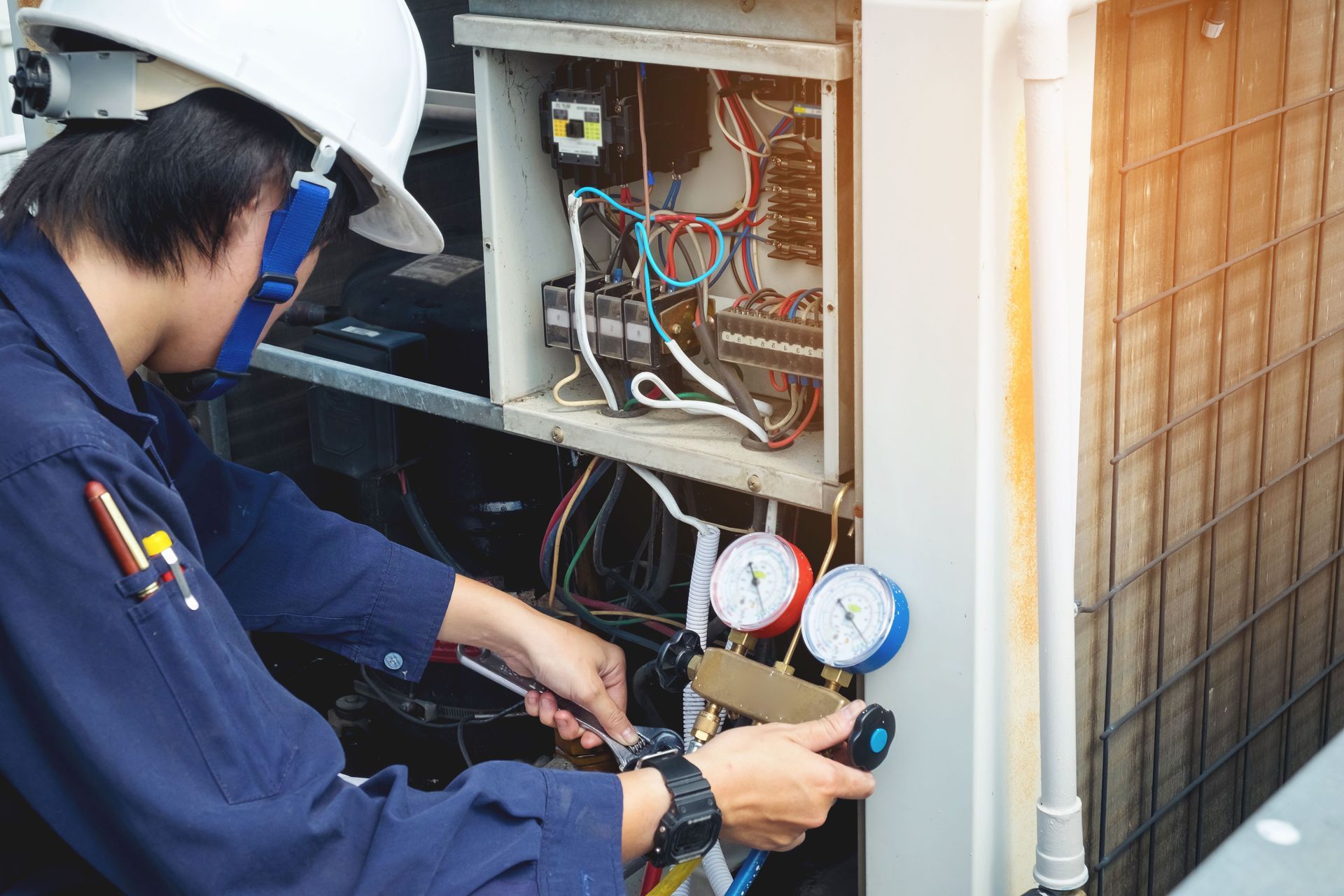
All in all, refrigerant leaks can significantly impact an air conditioning system’s ability to cool efficiently. When refrigerant levels drop, the system must work harder to remove heat, which can reduce overall performance and strain on internal components. Addressing these issues through local AC repair helps restore proper system function and supports long-term efficiency.
Common signs of a refrigerant issue include reduced cooling output or ice forming on system components. These symptoms often indicate that professional attention is required to locate and repair the leak before additional damage occurs. Once repaired, the system must be properly recharged to ensure balanced operation and safe performance. Without correction, refrigerant issues tend to worsen over time and reduce system performance.
According to Future Market Insights, HVAC air quality monitoring was estimated at $46.3 billion in 2025 and projected to reach $48.6 billion in 2026. While this reflects broader industry focus, refrigerant system integrity remains a key factor in maintaining efficient cooling performance in residential systems. Proper handling of refrigerant levels helps ensure consistent operation and long-term system stability.
Fixing Drainage Problems
Air conditioning systems rely on proper drainage to remove condensation created during operation. When drain lines become clogged, water can back up into the system and cause leaks or moisture buildup that affects performance. In some cases, resolving these issues requires local AC repair to restore proper drainage function and prevent further complications.
Excess moisture can also contribute to higher indoor humidity levels, which may affect comfort and overall system efficiency. Keeping drain lines clear helps prevent water damage and supports consistent system performance throughout the cooling cycle. When drainage is functioning correctly, the system can operate without interruption or unnecessary stress on components.
Maintaining clear drainage pathways ensures the system can operate efficiently over time. Proper water removal supports long-term stability and helps reduce strain on internal components that would otherwise be affected by moisture buildup. This is an important part of overall system maintenance and performance stability.
Correcting Sensor Issues
Temperature sensors play an important role in regulating how an air conditioning system operates. If a sensor becomes misaligned or faulty, it may result in inaccurate temperature readings and inconsistent cooling cycles that affect comfort levels. In some cases, local AC repair may be needed to recalibrate or replace faulty sensors to restore proper system function.
Irregular cycling patterns are often a sign that sensor readings are not aligned with actual room temperature conditions. This can lead to inefficient operation and uneven cooling throughout the home if left unresolved. Proper calibration helps ensure the system responds accurately to temperature changes and maintains steady performance. Addressing these issues early helps prevent ongoing discomfort and inefficiency.
Addressing sensor issues promptly supports stable indoor comfort and more efficient system performance overall. It also helps reduce unnecessary strain on system components caused by incorrect temperature signaling. Over time, this contributes to more dependable operation and improved energy management.
Routine System Care Practices
Replacing Air Filters
Replacing air filters on a consistent schedule is essential for maintaining airflow and system efficiency. Clean filters help prevent dust and debris from circulating through the system and into the home, which supports better air quality and performance. Neglecting filter replacement may eventually require local AC repair to address reduced system efficiency and airflow restrictions.
Restricted airflow caused by clogged filters can place unnecessary strain on system components, including the blower motor and compressor. This can lead to reduced efficiency and inconsistent cooling throughout the home, especially during peak usage periods. Regular replacement supports smoother system operation and helps maintain steady indoor comfort levels. It also contributes to more predictable energy usage over time.
Cleaning the Outdoor Unit
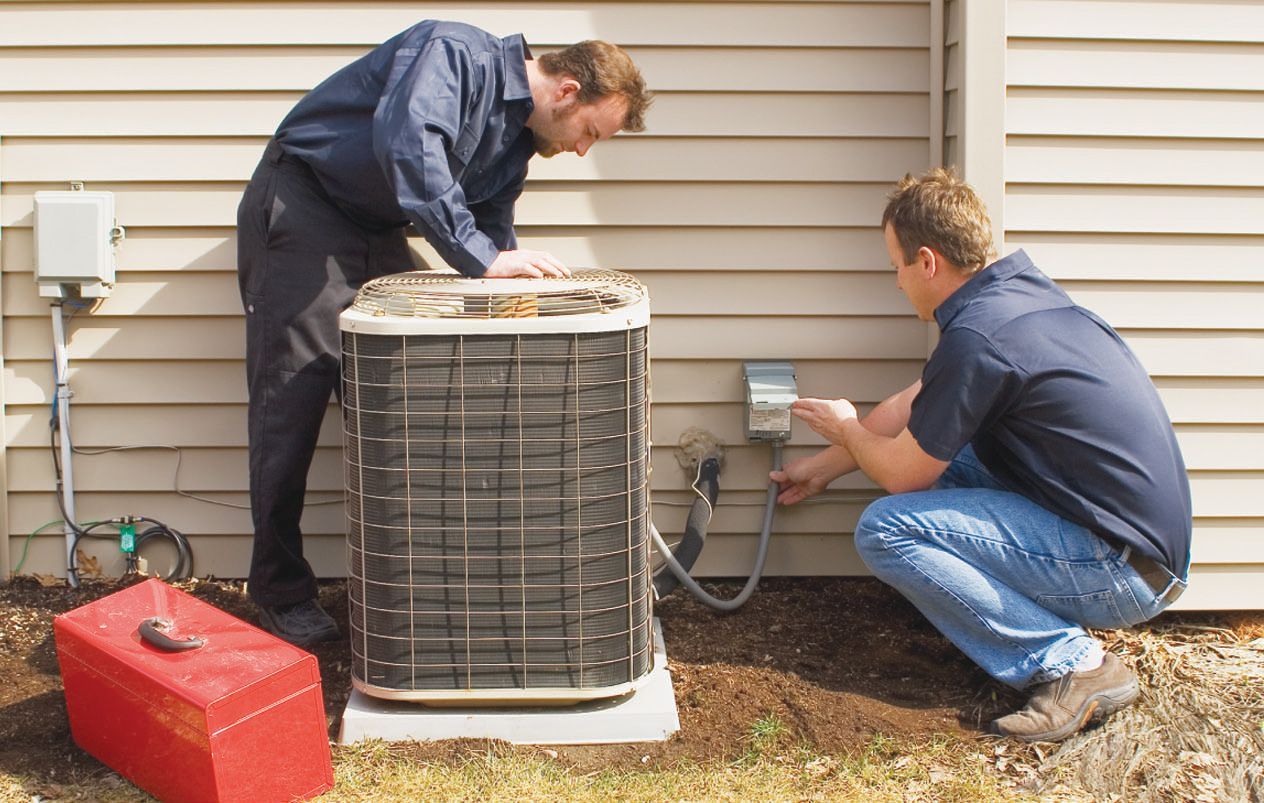
Keeping the outdoor unit clear of debris helps maintain proper airflow and efficient system operation. Leaves, dirt, and other obstructions can interfere with performance, especially around coils and vents. Routine cleaning supports overall system efficiency and reduces the likelihood of needing local AC repair due to preventable issues.
Internal components may also require periodic attention to ensure they remain free of buildup that can reduce efficiency. Professional servicing is often recommended for deeper cleaning to avoid accidental damage to sensitive parts. Proper maintenance helps preserve system performance and supports consistent cooling output during operation.
Maintaining Ductwork
Overall, ductwork plays a key role in distributing cooled air throughout the home efficiently. Leaks, blockages, or poor sealing can reduce system effectiveness and create uneven temperatures between rooms. In some cases, these issues may require local AC repair to restore proper airflow and system balance.
Sealing leaks and maintaining clean ducts helps ensure conditioned air reaches all areas of the home evenly. This improves comfort and reduces unnecessary strain on the system caused by airflow loss. Well-maintained ductwork supports consistent performance and long-term efficiency.
Understanding common air conditioning issues helps homeowners identify problems early and keep their systems running efficiently. Consistent maintenance and timely repairs can significantly improve long-term performance, comfort, and overall system operation. To learn more about air conditioning repair, maintenance, and HVAC services, Harding Plumbing, Heating & Cooling offers comprehensive support for residential heating, cooling, and plumbing systems, including local AC repair services tailored to home comfort needs.