November 5, 2026
Your heating and cooling system works hard to keep your home comfortable through hot summers and cold winters. Because it usually runs quietly in the background, it's easy to forget about routine care until something goes wrong. Many homeowners put off seasonal tune-ups to save time or money, but skipping regular maintenance often leads to bigger costs down the road. Small issues like dirty filters, loose connections, or low refrigerant can gradually strain the entire system. Over time, that strain can raise energy bills, lower comfort, and shorten the life of expensive equipment. Understanding how neglect affects your system can help you see why routine care is one of the smartest investments you can make in your home.
Driving Up Energy Bills
One of the first signs of a neglected system is a rising utility bill. When filters clog, coils get dirty, and moving parts lose lubrication, your heating and cooling equipment has to work harder to deliver the same level of comfort. That extra effort uses more electricity or fuel, and the added cost shows up month after month. Leaky ductwork can make the problem worse. According to the U.S. Department of Energy, up to 20% of cooled air can be lost through air leaks as it moves through a home's duct system. Routine inspections help catch leaks, airflow problems, and worn components so your system can run efficiently and keep energy costs under control.
Forcing Components to Work Harder
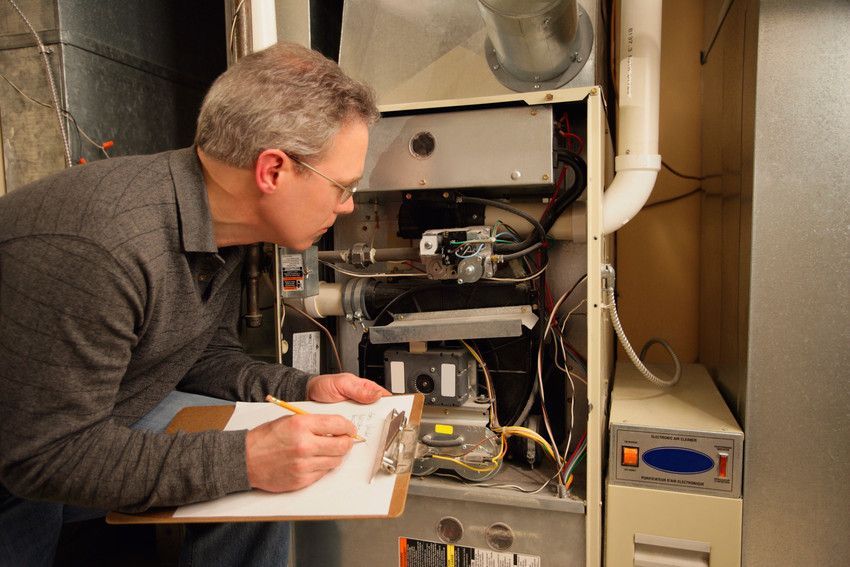
Every part of your system is designed to work within certain limits. When maintenance is skipped, problems like restricted airflow, low refrigerant, or worn belts force motors, fans, and compressors to run longer and under more stress. This added strain causes parts to wear out faster and increases the chance of overheating. A blower motor pushing air through a clogged filter, for example, may eventually burn out. A compressor running with low refrigerant can suffer serious damage. During a tune-up, technicians clean, tighten, lubricate, and test key components, which helps reduce unnecessary wear and keeps everything working together the way it should.
Allowing Dirt and Debris to Build Up
Dust, pollen, pet hair, leaves, and grass clippings can collect in and around your system over time. Indoors, buildup on evaporator coils and blower wheels reduces airflow and makes it harder for the system to transfer heat. Outdoors, debris on the condenser coils or around the unit can block airflow and cause the system to overheat. Dirty burners and flame sensors in furnaces can also lead to ignition problems. Regular cleaning removes this buildup before it causes performance issues. Keeping the area around your outdoor unit clear and changing filters on schedule are simple habits that support professional HVAC maintenance and help your equipment breathe easier.
Lowering Indoor Air Quality
Your heating and cooling system doesn't just control temperature. It also circulates the air your family breathes. When filters are left dirty and components aren't cleaned, dust, allergens, and other particles can circulate throughout your home. Moisture issues, such as a clogged condensate drain, can create conditions where mold and mildew grow. These problems may lead to musty odors, more dust on surfaces, and increased allergy symptoms. Routine HVAC service includes checking filters, drains, and other areas where contaminants can collect, helping you maintain cleaner, healthier air indoors.
Reducing Comfort Throughout Your Home
A neglected system often struggles to keep every room at a consistent temperature. You may notice hot and cold spots, rooms that never seem to cool down in summer, or a furnace that runs constantly without fully warming the house. Poor maintenance can also affect humidity control, leaving your home feeling sticky in warm months or overly dry in winter. Dirty coils, clogged filters, and unbalanced airflow all contribute to these comfort problems. When your HVAC equipment is cleaned and properly adjusted, it can distribute air more evenly and maintain the steady, comfortable conditions your family expects. Small tune-up tasks, like checking thermostat calibration and blower settings, can make a noticeable difference in how your home feels every day.
Increasing the Risk of Sudden Breakdowns
Few things are more frustrating than a system failure on the hottest or coldest day of the year. Many breakdowns start as small problems that could have been caught during a routine inspection, such as a weak capacitor, a frayed wire, or a failing igniter. Without regular checkups, these issues can go unnoticed until the system stops working completely. Emergency repairs often cost more than planned maintenance, and replacement parts or service appointments may be harder to schedule during peak seasons. Scheduling tune-ups in the spring for cooling and in the fall for heating helps identify weak parts early, so repairs can be handled on your schedule instead of in a crisis.
Shortening Your System's Lifespan
Heating and cooling equipment represents a major investment, and most homeowners want it to last as long as possible. When a system is consistently overworked, dirty, and poorly maintained, its components wear down much sooner than expected. A unit that might have lasted many years with proper care may need to be replaced early. Regular HVAC maintenance helps protect that investment by keeping parts clean, balanced, and working within their intended limits. Spending a little on routine care each year is far more affordable than paying for a full system replacement ahead of schedule.
Putting Warranty Coverage at Risk
Many manufacturers require proof of regular professional maintenance to keep equipment warranties valid. If a major part fails and records show the system hasn't been serviced as recommended, a warranty claim could be denied. That can leave homeowners paying the full cost of repairs that might otherwise have been covered. Keeping up with annual or seasonal tune-ups and saving service records helps protect your coverage. A professional technician can also let you know about any manufacturer requirements for your specific equipment. A simple log of HVAC service dates, filter changes, and repairs makes it easy to show that your system has been properly cared for.
Creating Potential Safety Hazards
Skipping maintenance can also affect your family's safety. Gas furnaces that aren't inspected regularly may develop cracked heat exchangers, faulty burners, or venting issues that can allow carbon monoxide to leak into the home. Loose electrical connections and overheating components can create fire risks. These hazards aren't always easy to notice without professional testing. Annual furnace inspections, along with working carbon monoxide detectors, are important steps in keeping your home safe, especially during the winter months when windows stay closed. Routine checkups give you peace of mind that your system is operating correctly and safely.
At Harding Plumbing, Heating & Cooling, we know how important a reliable heating and cooling system is to your comfort, health, and budget. Our experienced technicians provide thorough
HVAC maintenance designed to keep your equipment running efficiently, catch small problems early, and extend the life of your system. We clean and inspect key components, check for safety concerns, and give you honest recommendations so you can make informed decisions about your home. Whether you need a seasonal tune-up or want to set up regular service, our team is ready to help. Contact Harding Plumbing, Heating & Cooling today to schedule your next maintenance appointment. We look forward to working with you soon!